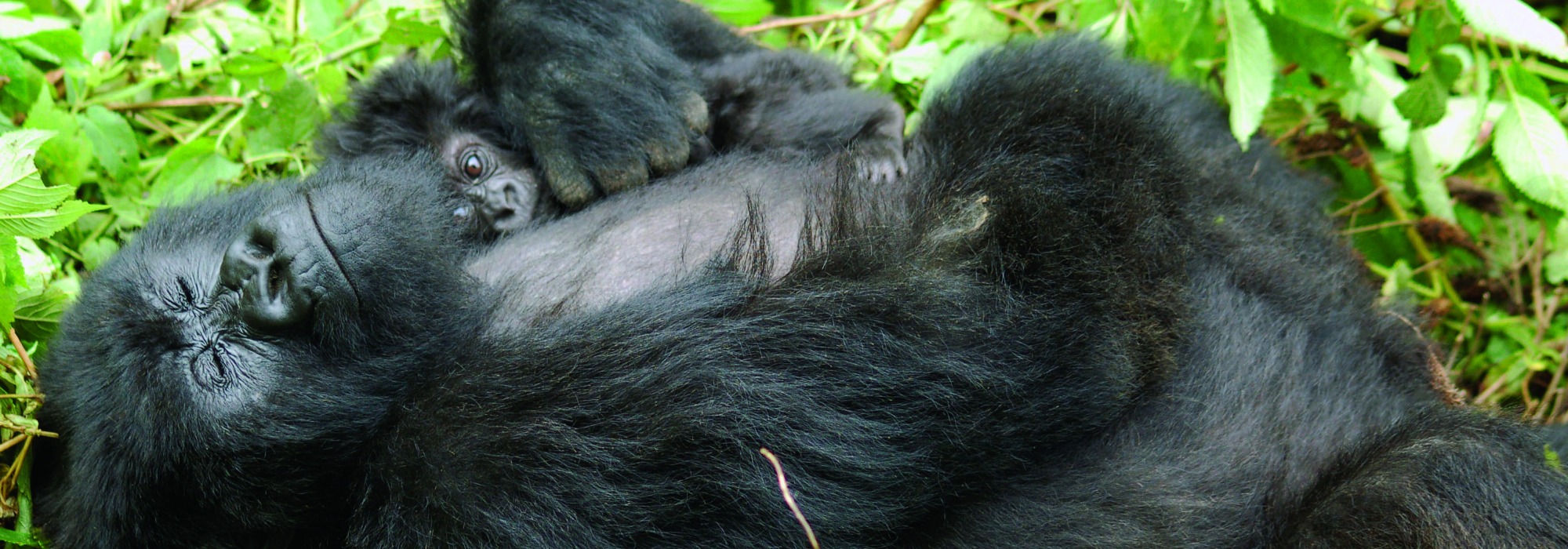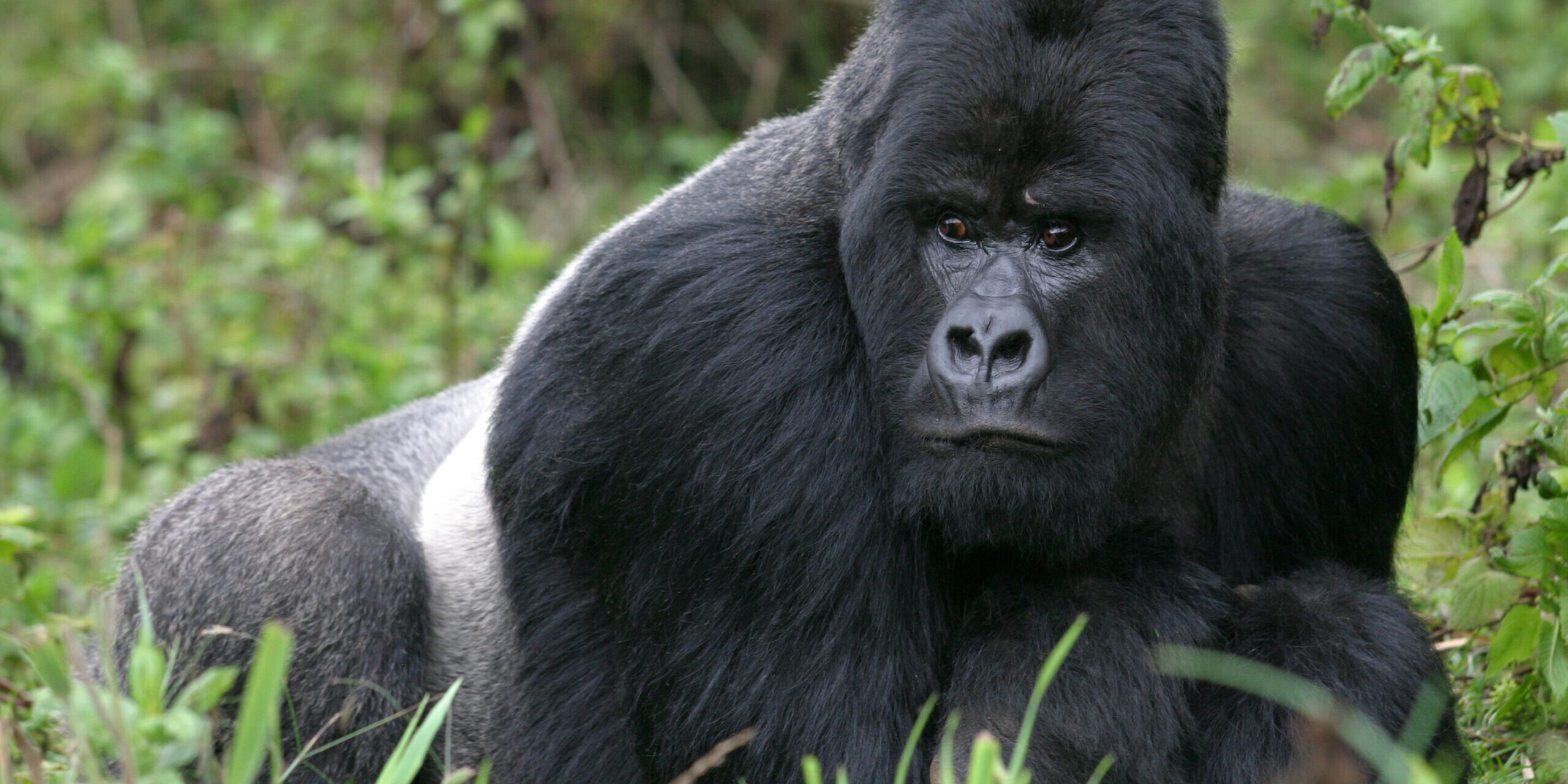
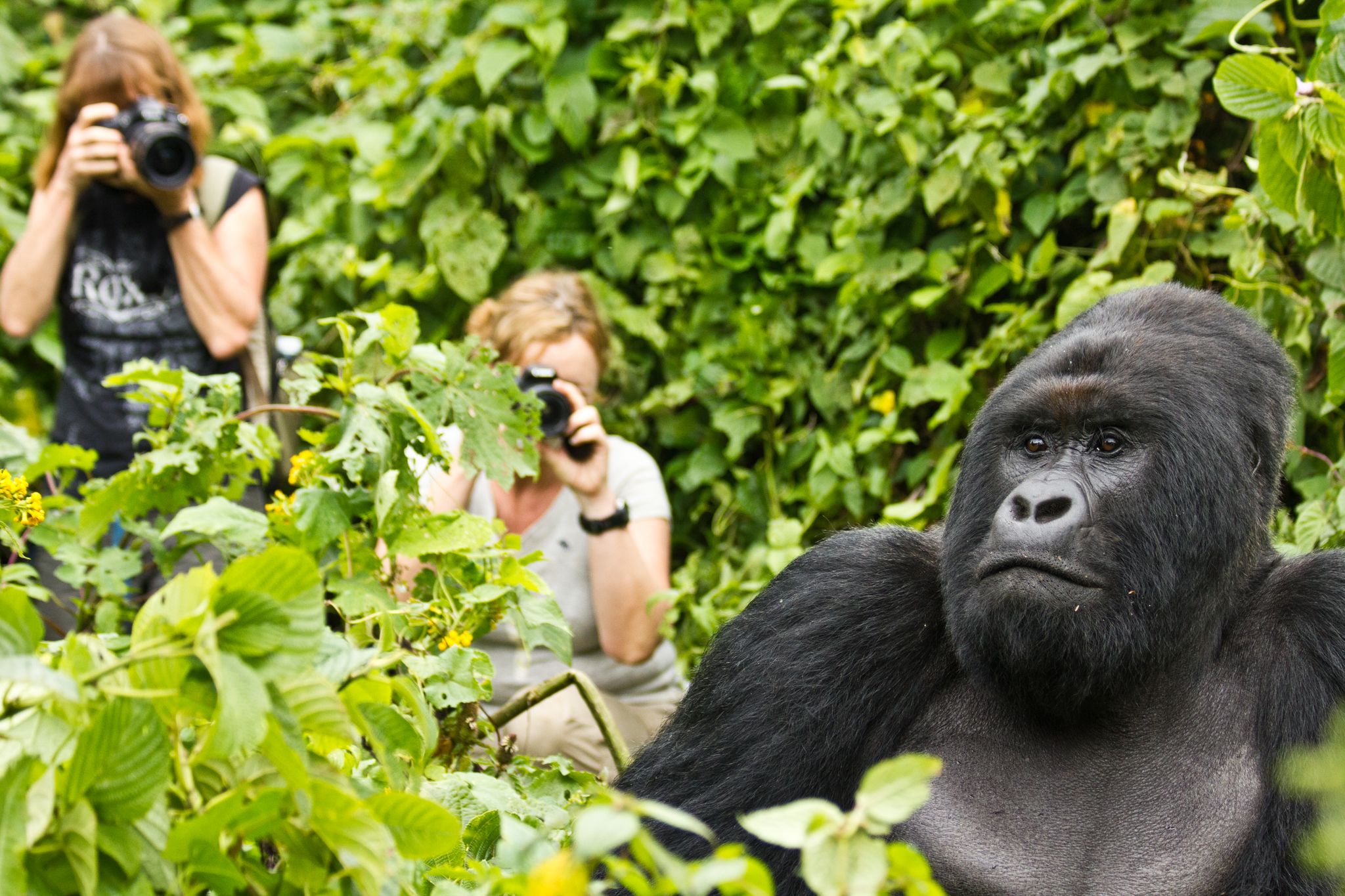
Gorilla conservation in Rwanda, Uganda, and Congo has become one of the greatest wildlife conservation success stories in the world. Once critically endangered and close to extinction, mountain gorillas have made a remarkable recovery thanks to anti-poaching initiatives, habitat protection, responsible tourism, and long-term gorilla conservation efforts across East and Central Africa.
Today, travelers from around the globe journey to the mist-covered forests of these three countries for the life-changing experience of gorilla trekking — an experience that directly supports gorilla conservation and helps protect the future of these incredible animals.
From the Brink of Extinction
In the 1980s, mountain gorilla numbers had dropped alarmingly due to poaching, habitat destruction, political instability, and human encroachment. Conservationists feared the species might vanish within our lifetime.
At the time, fewer than 300 mountain gorillas remained in the wild.
What followed became one of Africa’s greatest conservation achievements.
A Unique Partnership Between Wildlife & Tourism
The turnaround did not happen by accident. Governments, conservation organizations, researchers, park authorities, and local communities worked together across borders to protect the gorillas and their fragile habitat.
Rwanda’s Volcanoes National Park, Uganda’s Bwindi Impenetrable Forest and Mgahinga Gorilla National Park, together with Congo’s Virunga National Park, became the center of an ambitious conservation effort focused on anti-poaching patrols, veterinary care, habitat protection, and carefully managed eco-tourism.
Unlike traditional mass tourism, gorilla trekking was designed around strict conservation rules:
• Limited permits per day
• Small trekking groups
• Controlled viewing times
• Mandatory ranger guides
• Significant tourism revenue directed back into conservation and local communities
This model transformed the gorillas from a vulnerable species into one of the clearest examples of how responsible tourism can directly save wildlife.
Communities Became Protectors
One of the biggest reasons for the success is that local communities began benefiting from gorilla tourism.
Jobs were created for guides, trackers, porters, lodge staff, drivers, rangers, and artisans. Schools and clinics were funded through tourism revenue-sharing programs, and communities gained a direct financial incentive to protect the forests instead of exploiting them.
Today, many former poachers now work as conservation staff and guides — a remarkable shift that highlights how conservation succeeds best when local people benefit alongside wildlife.
The Numbers Tell the Story
Mountain gorillas are the only great ape species in the world whose population is increasing.
Thanks to decades of protection and international cooperation, their population has now grown to over 1,060 individuals — a milestone once thought impossible.
Uganda is home to the largest population, with an estimated 500–550 mountain gorillas found mainly in Bwindi Impenetrable Forest and Mgahinga Gorilla National Park. More than 20 habituated gorilla families can be visited in Uganda, including well-known groups such as Mubare, Rushegura, Habinyanja, and Nkuringo.
Rwanda’s Volcanoes National Park is home to approximately 350–380 mountain gorillas, with around 12 habituated gorilla groups available for trekking, including famous families such as Susa A, Amahoro, Hirwa, Kwitonda, and Agashya.
In the Democratic Republic of Congo, Virunga National Park protects an estimated 200–250 mountain gorillas, with habituated groups including Humba, Kabirizi, Baraka, and Lulengo.
While they are still endangered and remain highly vulnerable to disease, habitat pressure, and political instability, the recovery of the species stands as one of the most inspiring conservation stories on Earth.
More Than a Wildlife Encounter
For many travelers, gorilla trekking becomes far more than simply seeing an animal.
Sitting quietly in the forest while a silverback watches over his family, hearing young gorillas play in the vegetation, or locking eyes with a curious juvenile creates an emotional connection that is difficult to describe.
It is a reminder of how closely connected humans are to nature — and what can happen when countries, communities, and conservationists work together toward a common goal.
The survival of the mountain gorilla proves that conservation can work. And every gorilla permit purchased today continues to play a direct role in protecting the future of these incredible animals.