Africa’s Last Wild Safari Destinations
Khaudum National Park (Namibia)
- Country: Namibia
- Best time to visit: May – October
- Accommodation: Rustic campsites only
- Accessibility: Remote; 4×4 essential (deep sand)
One of Namibia’s most remote parks, Khaudum offers a raw, unfenced wilderness where wildlife moves freely between Namibia and Botswana. Known for its large elephant herds and predators, the park is defined by deep Kalahari sands and minimal infrastructure. With no permanent lodges and very few visitors, it delivers a true expedition-style safari that feels untouched by modern tourism.


Iona National Park (Angola)
- Country: Angola
- Best time to visit: May – September
- Accommodation: Basic camps / expedition setups
- Accessibility: Very remote; 4×4 or fly-in
Stretching along Angola’s Atlantic coastline, Iona is where vast desert dunes meet the ocean in dramatic fashion. The park is home to desert-adapted wildlife, including oryx, and features unique Welwitschia plants that can live for over 1,000 years. Still largely undeveloped, Iona offers a frontier safari experience reminiscent of Namibia decades ago.


Liuwa Plain National Park (Zambia)
- Country: Zambia
- Best time to visit: Nov–Dec (migration), May–Oct
- Accommodation: Small luxury & seasonal camps
- Accessibility: Fly-in or long road transfer
Liuwa Plain hosts Africa’s second-largest wildebeest migration, yet remains remarkably uncrowded. Its vast floodplains create dramatic skies and mirror-like landscapes during the green season. The park is also famous for the story of “Lady Liuwa,” a lone lioness who became a symbol of conservation success. Expect exceptional birdlife and a truly exclusive safari atmosphere.


Nkasa Rupara National Park (Namibia)
- Country: Namibia
- Best time to visit: May – October
- Accommodation: Lodges & tented camps nearby
- Accessibility: Road access via Caprivi Strip
Located in Namibia’s lush Caprivi Strip, Nkasa Rupara is a wetland paradise often compared to a mini Okavango Delta. Seasonal floodplains attract large buffalo herds, hippos, crocodiles, and abundant birdlife, making it a standout for water-based ecosystems in an otherwise arid country. Its low visitor numbers make it a peaceful alternative to more famous waterways.


Gonarezhou National Park (Zimbabwe)
- Country: Zimbabwe
- Best time to visit: May – October
- Accommodation: Campsites & limited lodges
- Accessibility: Remote; road or charter
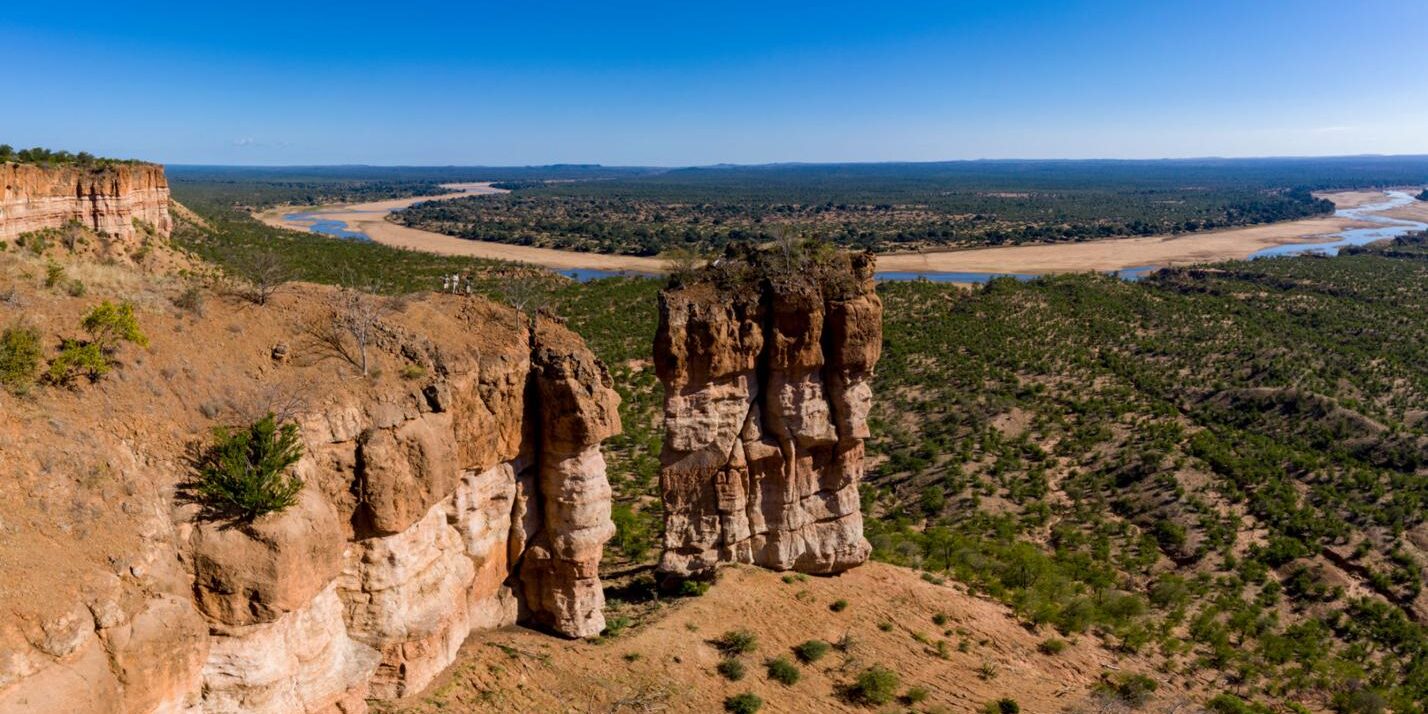
Part of the vast Great Limpopo Transfrontier Park, Gonarezhou is known for its iconic Chilojo Cliffs—towering red sandstone formations overlooking the Runde River. The park supports large elephant populations and diverse predators, yet sees only a fraction of the visitors compared to other Zimbabwean parks. It’s ideal for travellers seeking scale, solitude, and dramatic scenery.


Kidepo Valley National Park (Uganda)
- Country: Uganda
- Best time to visit: Sept – March
- Accommodation: Luxury lodges & camps
- Accessibility: Fly-in recommended
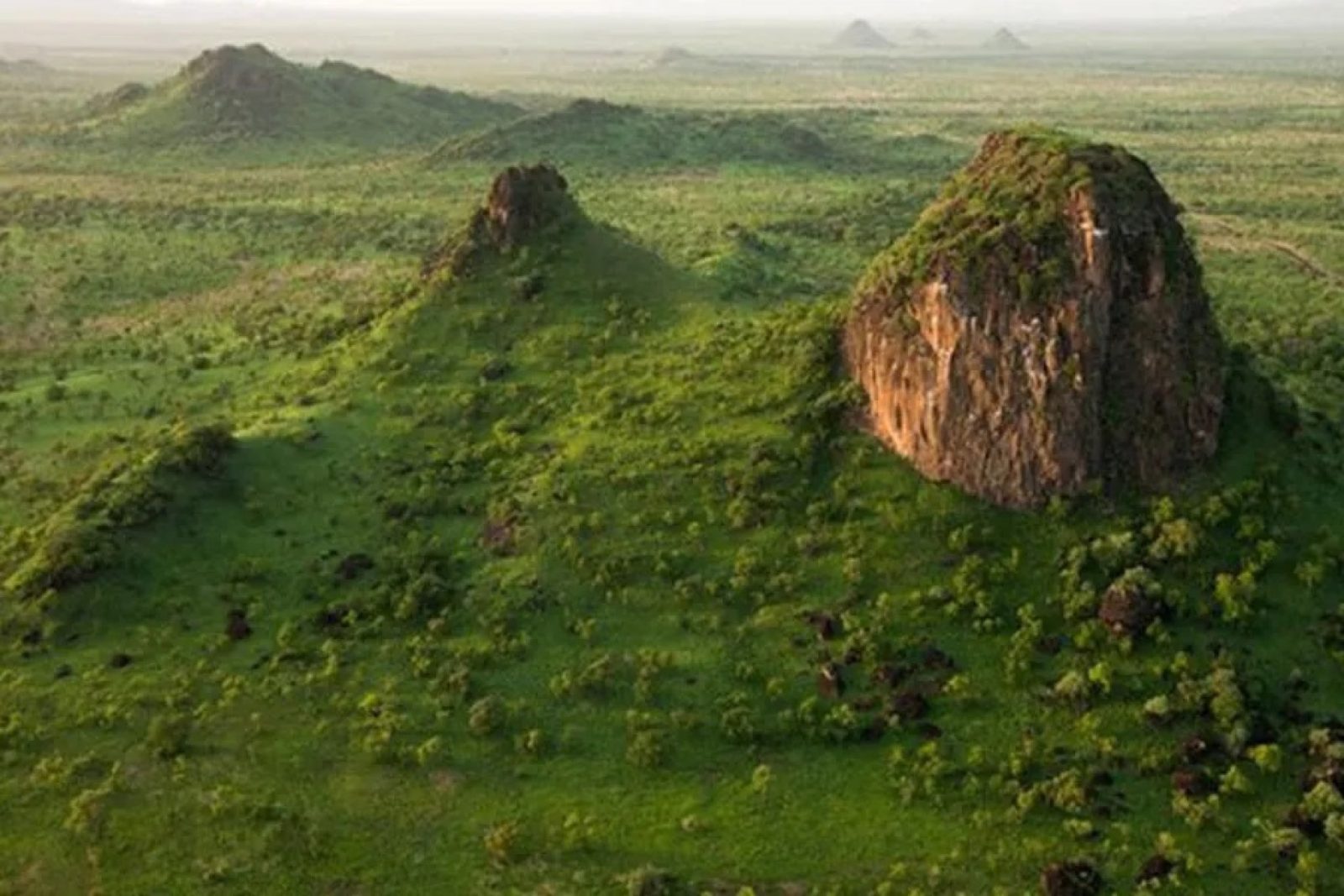
Set against rugged mountains near the South Sudan border, Kidepo combines classic savannah wildlife with dramatic landscapes. It’s one of the few places in East Africa where you can see cheetah, ostrich, and large buffalo herds in a remote setting. With very low visitor numbers, it offers a Serengeti-like experience without the crowds.


Ruaha National Park (Tanzania)
- Country: Tanzania
- Best time to visit: June – October
- Accommodation: High-end lodges & camps
- Accessibility: Fly-in from Dar es Salaam
As Tanzania’s largest national park, Ruaha is famed for its huge elephant population and high predator density, including large lion prides and wild dogs. The Great Ruaha River acts as a lifeline during the dry season, drawing wildlife in impressive numbers. Its baobab-studded landscapes and remote feel make it one of East Africa’s most rewarding safari destinations.


Mkomazi National Park (Tanzania)
- Country: Tanzania
- Best time to visit: June – October
- Accommodation: Limited camps/lodges
- Accessibility: Road access
Bordering Kenya’s Tsavo ecosystem, Mkomazi is a conservation success story, home to breeding programs for black rhino and African wild dogs. With views toward Mount Kilimanjaro on clear days, the park combines scenic beauty with conservation significance. Its low visitor numbers make it ideal for travellers interested in rare species and quiet safaris.


Majete Wildlife Reserve (Malawi)
- Country: Malawi
- Best time to visit: May – October
- Accommodation: Luxury & mid-range lodges
- Accessibility: Easy road access from Blantyre
Once depleted of wildlife, Majete has been transformed into a thriving Big Five reserve through conservation efforts led by African Parks. Today, it offers excellent game viewing in a compact area, making it ideal for shorter safaris. Its proximity to Lake Malawi allows for seamless bush-and-beach combinations.


Mahale Mountains National Park (Tanzania)
- Country: Tanzania
- Best time to visit: June – October
- Accommodation: Exclusive luxury lodges
- Accessibility: Fly + boat
Accessible only by boat or light aircraft, Mahale is one of Africa’s most exclusive safari destinations. It is renowned for chimpanzee trekking, with habituated groups offering close encounters. The setting—lush forest meeting the crystal-clear waters of Lake Tanganyika—creates a rare blend of primate safari and tropical beach escape.


Odzala-Kokoua National Park (Republic of the Congo)
- Country: Republic of the Congo
- Best time to visit: June – September
- Accommodation: High-end eco lodges
- Accessibility: Fly-in only
One of Africa’s oldest national parks, Odzala is a biodiversity hotspot within the Congo Basin. It is best known for its “bais” (forest clearings) where forest elephants and other wildlife gather, as well as western lowland gorilla tracking. The experience is immersive and very different from savannah safaris.


Nouabalé-Ndoki National Park (Republic of the Congo)
- Country: Republic of the Congo
- Best time to visit: Dec – March
- Accommodation: Expedition camps
- Accessibility: Fly + boat (very remote)
Part of one of the largest intact rainforest ecosystems on Earth, Ndoki offers a true expedition into untouched wilderness. Its Mbeli Bai is one of the best places to observe forest elephants and gorillas in the wild. With almost no tourism infrastructure, it’s suited to adventurous travellers seeking something genuinely rare.


Zakouma National Park (Chad)
- Country: Chad
- Best time to visit: Nov – April
- Accommodation: Managed lodges & camps
- Accessibility: Fly-in + road transfer
Zakouma National Park is one of Central Africa’s greatest conservation success stories, located in the remote southeast of Chad. Once heavily affected by poaching, the park has rebounded dramatically under strong protection and management, now hosting thriving populations of elephants, buffalo, and predators like lions. Its vast floodplains and seasonal wetlands attract huge numbers of migratory birds, making it exceptional for both wildlife viewing and birding. With very few visitors, Zakouma offers a raw, exclusive safari experience far from the crowds.


Pendjari National Park (Benin)
- Country: Benin
- Best time to visit: Dec – April
- Accommodation: Lodges & camps
- Accessibility: Road access
Pendjari National Park is one of West Africa’s last great wildlife strongholds, forming part of the vast W-Arly-Pendjari (WAP) ecosystem that spans Benin, Burkina Faso, and Niger. Known for its healthy populations of elephants, buffalo, and the critically endangered West African lion, the park offers classic savanna scenery backed by the Atakora Mountains. Thanks to improved conservation management in recent years, wildlife sightings have become increasingly rewarding. Remote and lightly visited, Pendjari delivers an authentic safari experience in a region still largely off the mainstream travel map.


Niokolo-Koba National Park (Senegal)
- Country: Senegal
- Best time to visit: Nov – May
- Accommodation: Basic lodges
- Accessibility: Road from Dakar
Niokolo-Koba National Park is a vast and largely untamed wilderness in southeastern Senegal, recognised as a UNESCO World Heritage Site. Centred around the Gambia River, the park protects a mix of savanna, woodland, and gallery forest habitats that support species such as buffalo, antelope, baboons, and a rich variety of birdlife. While wildlife densities are lower than in East or Southern Africa, its raw, off-the-beaten-track feel and ecological importance make it a compelling destination for adventurous travellers seeking one of West Africa’s last remaining wild landscapes.


North Luangwa National Park (Zambia)
- Country: Zambia
- Best time to visit: June – October
- Accommodation: Camps & remote lodges
- Accessibility: 4×4 or charter
North Luangwa National Park is one of Africa’s most remote and untouched safari destinations, offering a truly wild experience far removed from mass tourism. Located in northern Zambia along the Luangwa River, the park is known for its exceptional walking safaris, allowing guests to explore the bush on foot with expert guides. Conservation efforts have helped restore wildlife populations, including elephants, buffalo, and predators such as lion and leopard. With very limited camps and strict access, North Luangwa delivers an exclusive, raw safari experience for those seeking solitude and authenticity.


Bangweulu Wetlands (Zambia)
- Country: Zambia
- Best time to visit: May – October
- Accommodation: Basic camps
- Accessibility: 4×4 or charter
Bangweulu Wetlands is a vast and otherworldly floodplain system in northern Zambia, where water and sky seem to merge during the rainy season. Best known as one of the few reliable places to see the rare shoebill stork, the wetlands are also home to large herds of black lechwe, tsessebe, and abundant birdlife. Unlike traditional savanna parks, Bangweulu offers a unique, water-based safari experience shaped by seasonal floods and local fishing communities. Remote and largely unexplored, it is a remarkable destination for those seeking something truly different in Africa.


Nechisar National Park (Ethiopia)
- Country: Ethiopia
- Best time to visit: October – March
- Accommodation: Basic lodges
- Accessibility: Road from Arba Minch
Nechisar National Park lies between Lake Abaya and Lake Chamo in southern Ethiopia, creating a striking landscape of open savanna, groundwater forest, and shimmering lakes. Known for its population of plains zebra and the dramatic “Bridge of God” isthmus separating the two lakes, the park also offers sightings of crocodiles, hippos, and diverse birdlife along the shores of Lake Chamo. While still developing as a safari destination, Nechisar’s scenic contrasts and raw, less-visited feel make it an intriguing stop for travellers exploring Ethiopia’s Rift Valley.


Boma National Park (South Sudan)
- Country: South Sudan
- Best time to visit: Dec – March
- Accommodation: Expedition camps only
- Accessibility: Fly-in only
Boma National Park is one of Africa’s most remote and least explored wilderness areas, located in eastern South Sudan along the Ethiopian border. The park is best known for hosting one of the largest mammal migrations on Earth, where vast herds of white-eared kob, tiang, and Mongalla gazelle move across its open savanna plains. Wildlife remains largely unstudied due to decades of inaccessibility, but its scale and rawness rival the great ecosystems of East Africa. For now, Boma is more a conservation frontier than a traditional safari destination, offering a glimpse into a truly untamed Africa.

If these remote and remarkable parks have sparked your curiosity, eyeseeAfrica can turn that inspiration into a seamless, tailor-made journey. From exclusive access and expert guides to carefully curated lodges, we specialise in crafting safaris to Africa’s most unique and lesser-known destinations. Get in touch with eyeseeAfrica today to start planning your adventure via our Contact Us page — and discover a side of Africa few travellers ever experience.